PARCOURS
À propos d’Alexander Weidner, compositeur & sound designer
Enfance
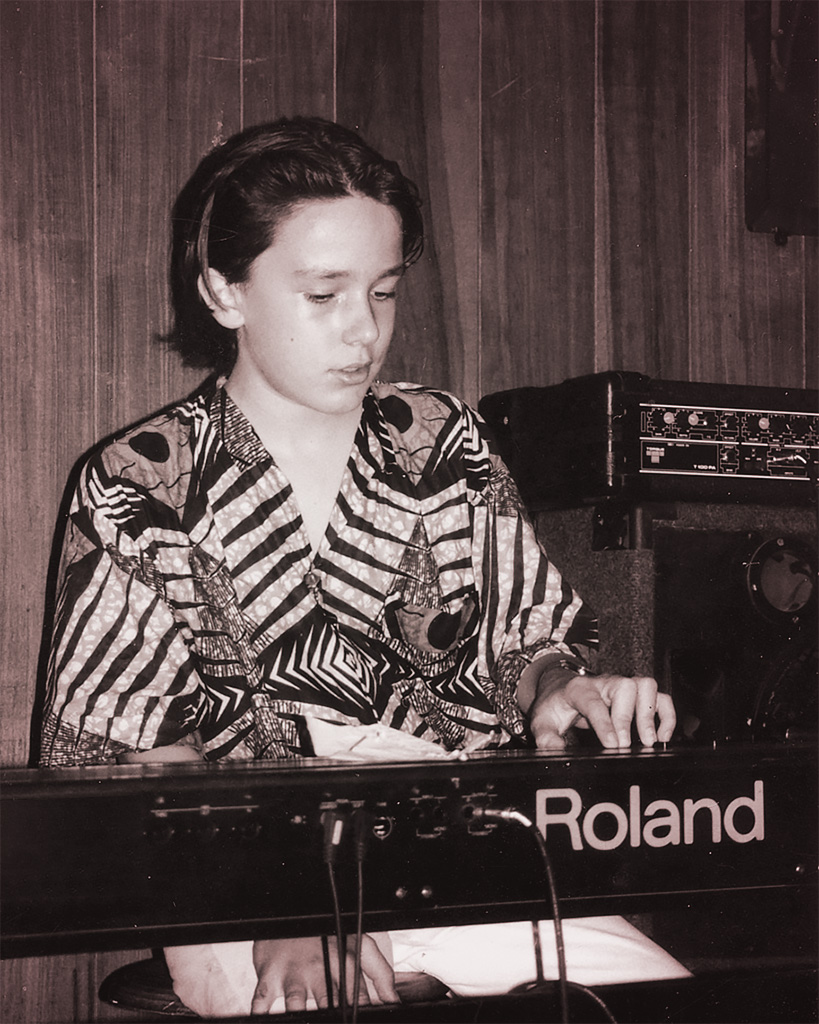
J’ai commencé le piano vers l’âge de six ans, d’abord par une formation classique, avant de me tourner progressivement vers le jazz en grandissant. La musique a toujours fait partie intégrante de ma vie, ce n’était donc pas un choix délibéré, mais plutôt une voie que j’ai suivie naturellement.
J’ai ensuite obtenu un baccalauréat spécialisé en musique, ce qui m’a permis d’acquérir de solides bases théoriques et pratiques.
J’ai intégré le département jazz du Conservatoire de Lyon, dans la classe de Mario Stanchev, où beaucoup de choses se sont ouvertes à moi : l’harmonie, l’improvisation et une approche beaucoup plus fluide de la musique.
Un peu plus tard, j’ai reçu une basse pour Noël, puis une batterie. Passer du piano aux instruments à cordes et aux percussions a commencé à transformer quelque chose de fondamental :
Musique live et expérimentation
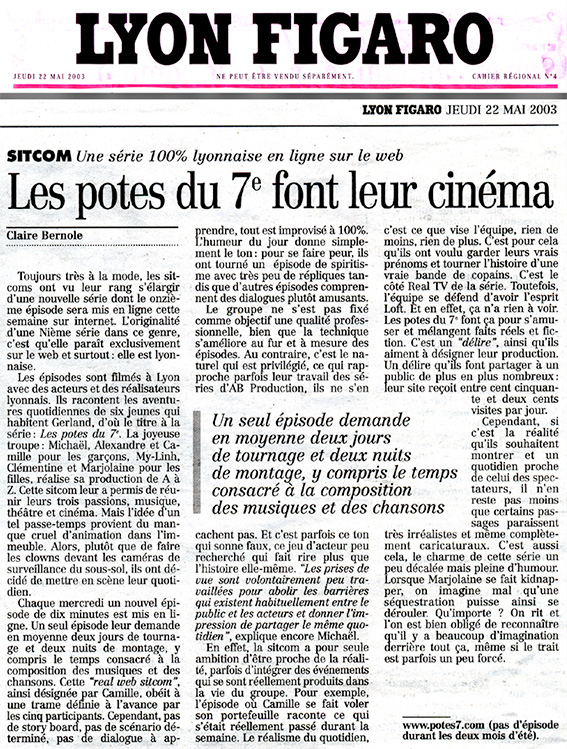
Avant de me consacrer pleinement à la composition, j’ai joué dans plusieurs groupes. Le tournant décisif fut Potes7, la première websitcom française, que j’ai aussi coréalisée. À 17 ans, j’en composais la musique chaque semaine pendant deux saisons et 48 épisodes. C’était intense, rapide et un peu chaotique, mais dans le bon sens du terme. Il fallait être réactif, changer constamment de genre et faire davantage confiance à son instinct qu’à la réflexion. Ce projet m’a aussi permis d’obtenir mes premières commandes professionnelles, notamment pour la radio NRJ.
Mon langage musical puise son inspiration dans un large éventail d’influences : des compositeurs comme John Williams et James Horner, des figures du jazz comme Herbie Hancock et Michel Petrucciani, les compositions des Beatles et des artistes électroniques comme Deadmau5 et Jamiroquai.
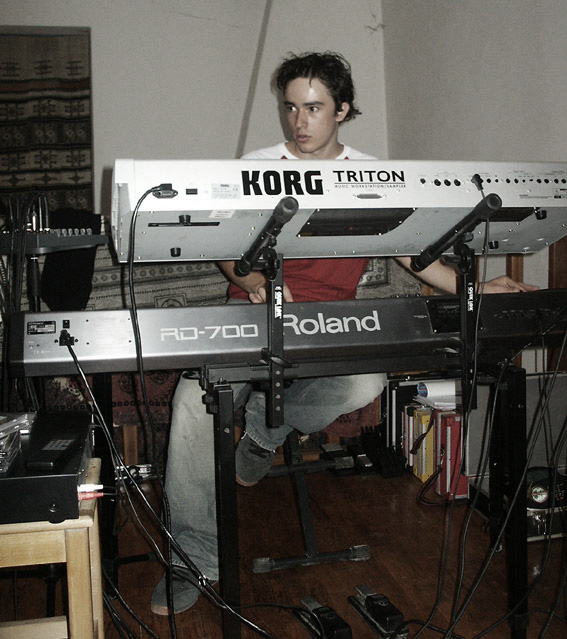
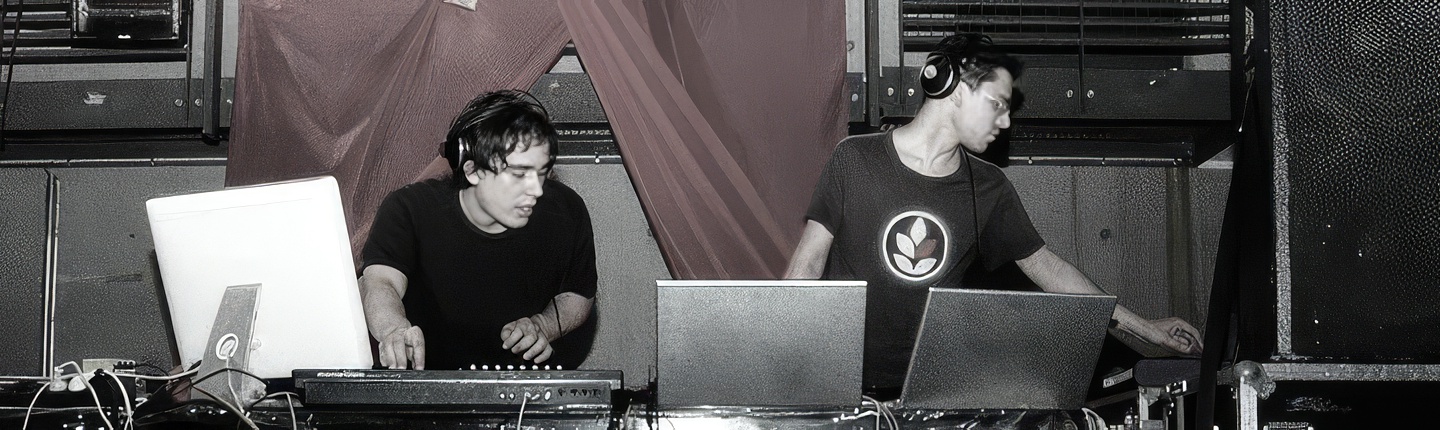
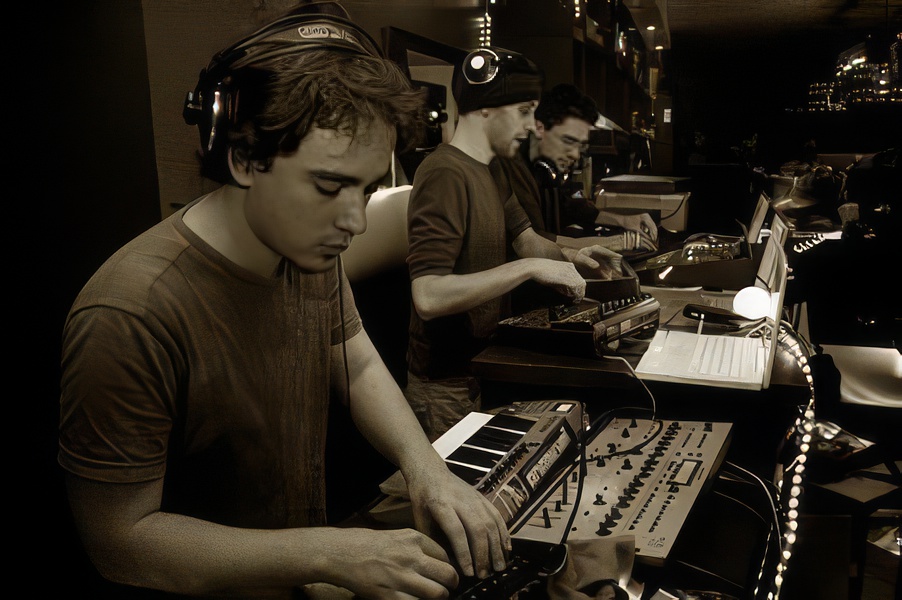
Plus tard sont arrivés des groupes comme Skwhere, Alienhearts et Crossover. Cette période était entièrement consacrée à l’expérimentation sur scène : un mélange de production électronique et d’instruments acoustiques, de machines et de musiciens, de structure et d’improvisation. Jouer ainsi m’a appris à quel point le son peut être vivant lorsqu’il est interprété en temps réel.
Vivre aux Pays-Bas et aux Philippines a également changé ma vision de la collaboration : la musique comme quelque chose qui se partage, pas seulement qui s’écrit.
Sound Design
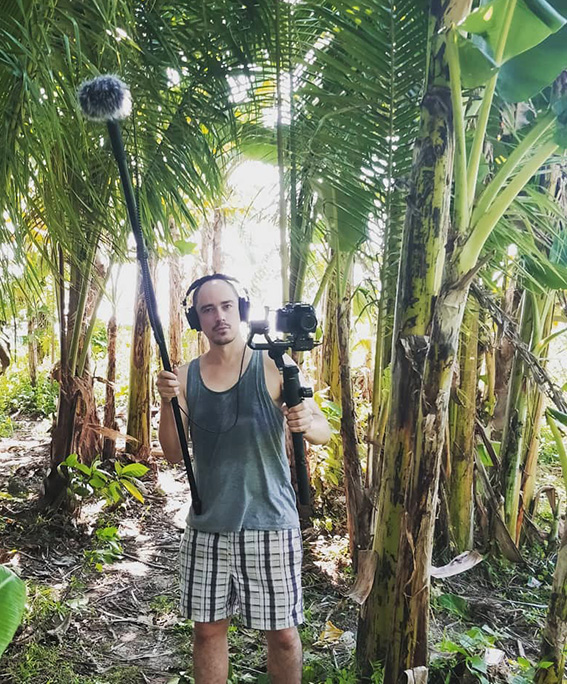
Parallèlement à la composition, j’ai développé un intérêt marqué pour le son lui-même. L’enregistrement de terrain est devenu une pratique essentielle, capturant des ambiances subtiles comme une fine pluie, une pièce au loin ou le calme de la nuit. Certains de ces enregistrements, mis à disposition gratuitement, sont disponibles sur Freesound.org.
Des projets électroniques comme Alienhearts et Skwhere ont poussé cette approche encore plus loin grâce à la synthèse pure, apprenant à concevoir des sons à partir de zéro et à les traiter comme une matière première plutôt que comme des sonorités instrumentales fixes.
La création de sons pour une cinquantaine d’espèces d’insectes sur Aninagin a considérablement renforcé mes compétences en conception sonore, grâce à l’expérimentation et à des techniques de superposition et d’hybridation.
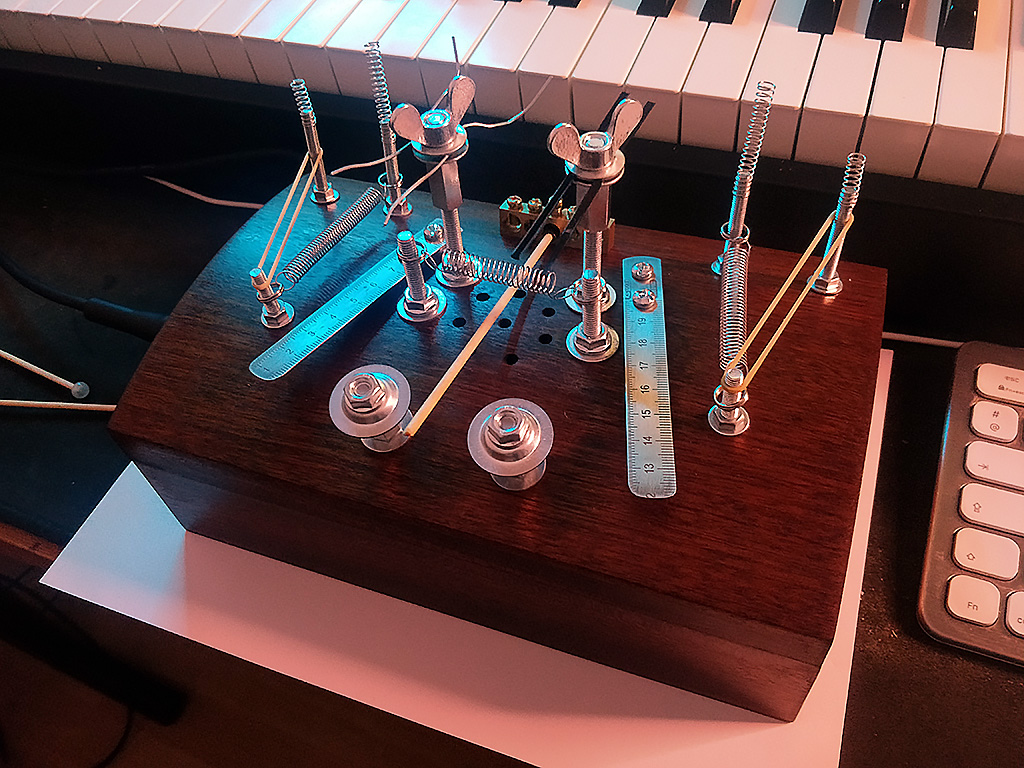
Je me suis aussi beaucoup investi dans le montage et la restauration sonore, nettoyant des enregistrements et transformant des signaux audio fragiles en quelque chose d’utilisable et de précis. Parallèlement, j’ai commencé à construire des « noise box » : des objets sur mesure équipés de microphones, de ressorts, de pièces métalliques et d’autres matériaux, conçus pour créer des sources sonores physiques. Un moyen hybride de générer des textures sonores tout à fait uniques, à mi-chemin entre les sources acoustiques organiques et le traitement électronique.
Un travail qui a du sens
Je suis particulièrement attiré par les projets porteurs de sens. Aninagin (lien IMDb), film autofinancé dont j’ai composé la musique et réalisé tout le sound design, cherche à éveiller la curiosité pour le monde naturel et la vie invisible qui nous entoure. Pinow (lien YouTube), série de sensibilisation à l’environnement aux Philippines, part du même élan.
Ma démarche repose sur l’écoute : comprendre l’essence de chaque projet, puis façonner le son jusqu’à ce qu’il sonne juste, précis et vivant.
Ayant vécu aux Pays-Bas et aux Philippines, j’ai développé une approche collaborative nourrie par la diversité culturelle, où la musique devient souvent un langage partagé, au-delà des mots.
PRESSE & MÉDIAS
POTES7 — La Première Websitcom
France 3 (National)
Reportage — “C’est mieux ensemble”
M6 (Lyon)
Reportage — « Le 6 Minutes »
Europe 2 (Lyon)
Interview
France 2 — « On a tout essayé »
Interview avec Laurent Ruquier
NRJ (Lyon)
Interview
Radio Scoop (Lyon)
Interview en direct — “Pato Show”
Radio Espace (Lyon)
Interview
Fréquence Jazz (Lyon)
Interview
RCT (Lyon)
Interview d’une heure
Rediffusion (30 juin)
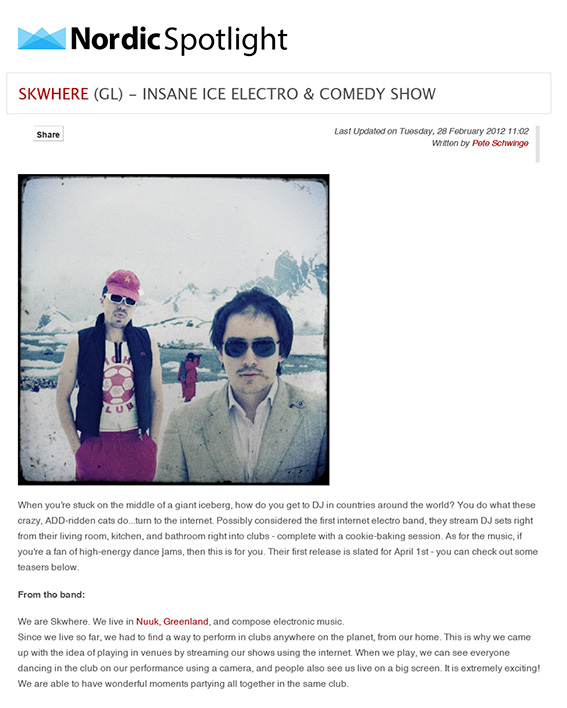
SKWHERE — Groupe Cyber Electro
Amsterdam Dance Event (amsterdam-dance-event.nl)
Nordic Spotlight
« Insane Ice Electro & Comedy Show »
Mediamatic — mediamatic.net
Article et vidéo
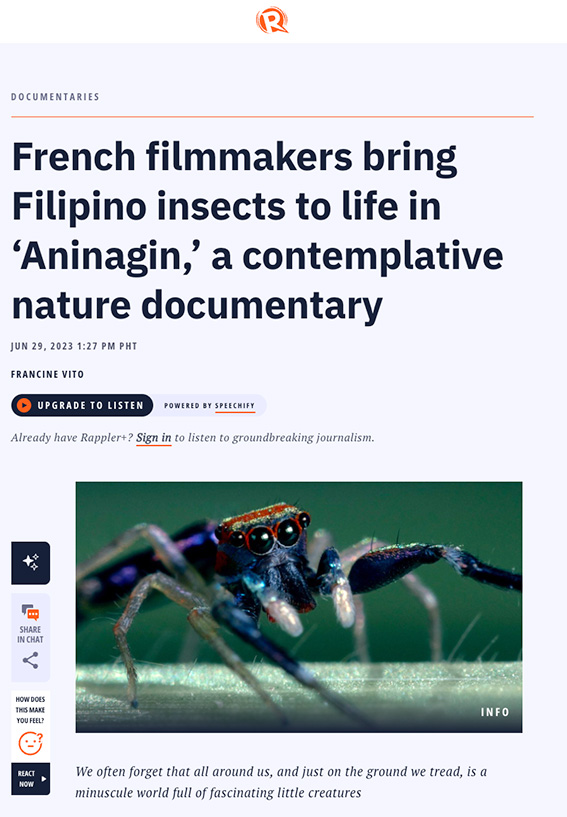
LA One — Documentaire YouTube
ANINAGIN — Film
Rappler
Article complet ici.
Ici.fr
Écouter l’interview radio.
Mediamatic
Article et vidéo ici.
Sélection au Festival des Possibles
Lien ici.
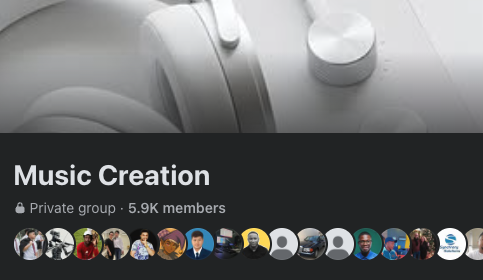
Création musicale — Communauté Facebook
Fondateur de Music Creation, une communauté Facebook de plus de 5 000 membres axée sur la création musicale en tant qu’artisanat : composition, conception sonore, production et échanges axés sur le processus.